February 1st, 2016

Cultivating & Capitalizing On The Sales Relationship

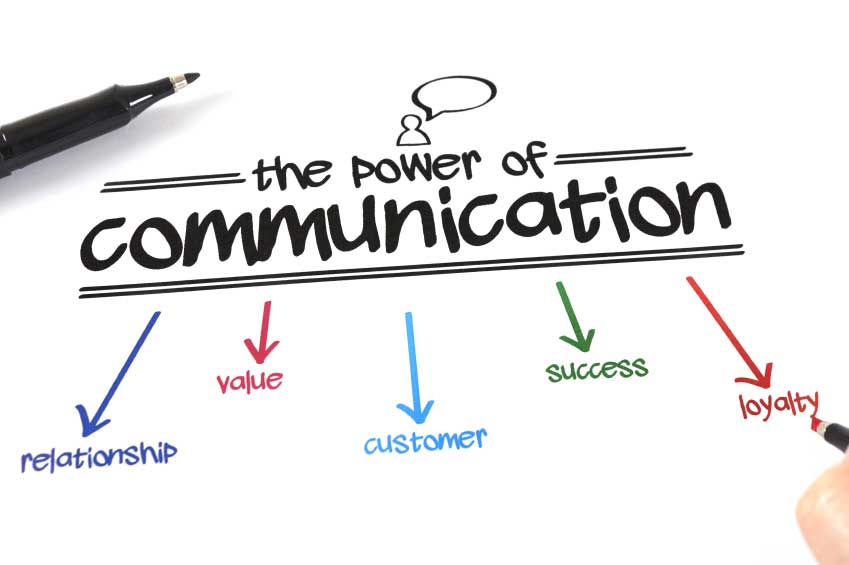
As many people know, in sales; finding success is all about building relationships. Even the most profitable and successful sales professionals know that without taking the time to develop strong relationships with their customers; they will not be able to find the success that they are looking for. It is important to remember a very simple five step process that involves cultivating and capitalizing on the sales relationship so that you can build a strong bond with your client. This will allow you to build relationships with them that you know will lead to tremendous success.

Step One: Cultivate by Networking

You can’t build strong client relationships without first getting the clients. You will want to start cultivating clients by networking. Asking for referrals and reaching out to people through mutual contacts is a great way to begin a client relationship as you have a connection from the beginning and before you even meet. This is a great way to cultivate clients that you can build strong relationships with.

Step Two: Develop a Client Relationship Base

Before you can capitalize on the fact that you have a strong relationship with your client you will want to start building a strong client relationship. Asking questions and getting to know the client and what their needs and wants are is a great way to make sure you know how to sell to them and to earn their trust; proving that you are trying to do more than just close a sale. People can tell when you are only trying to sell to them and not trying to genuinely help them, try consulting a one-on-one sales coach to help you work through this problem.

Step Three: Get Sales by Offering Them What They Want

Once you have developed a strong relationship with a client you can start capitalizing on that relationship to get the sales you are looking for. However, before closing a sale you will want to make sure that you keep your customer happy to show them your loyalty. Don’t be afraid to offer incentives, gifts, discounts and more, especially if they are a repeat customer that you are looking to build a stronger relationship with as keeping old customers happy is often easier than getting new ones.


Step Four: Making Sure Your Client is Happy

Whenever you close a sale you need to make sure that your client is happy. You can do this by consistently checking in with them via phone calls, emails and in-person visits. Depending on how much you are involved in servicing their needs this could be every week, but it should be at least every month. A simple, “Hello, how is business?” can go a very long way. This is also a great chance to ask for referrals, if you have a happy client they will often be more than willing to refer friends, business associates and family members to you.

Step Five: Building an Ongoing Relationship

Closing a sale based on a strong client relationship is not the end of the sales process; there is still more that needs to be done. After ensuring your client is happy, you have a perfect chance to see if they are in need of more of your services or products (if they are in fact happy). Don’t be shy to ask them if they need additional service/products, this can be a key point in making sure your client is happy and stays happy.

Related & Helpful Articles On Capitalizing On The Sales Relationship

Learn how to add more value to capitalize further on your client/prospect relationships. Click here to read the article now.

Learn how you can stop selling and start solving your clients and prospects problems. Click here to read the article now.a

January 26th, 2016

How Adding Value To Your Sales Process Will Increase Your Profit Margin

Everyone is in the lean and mean mode these days which means selling can be a real chore. Offering better prices can’t be the only solution to increase sales, because it might increase sales but it will eat into your profit margin. So what is a poor sales manager to do? Adding value to your sales process will increase your profit margin.

Avoid False Hope

Don’t turn to a value added offer that is actually a load of hooey. You have to provide true value to your customer, not a token LED light to see their way to the car that’s going to burn a whole in their coat pocket. Offer VALUE. It is the main point of what you are doing.

Think Cheap, But Not Worthless

Okay we’ve mentioned being lean so when you think of ways to add value to the customer you can’t come up with ideas that will cost you more money. Think of what you have to offer at a reasonable price. Consult, provide a lunch and learn, enhance your tech support time line, improve your guarantee or even offer free delivery. Look for things that customers will appreciate but that won’t eat into profit margins.

Stay Within Your Own Biz

Don’t make the mistake of confusing the customer with a free movie pass when you sell fertilizer. Look for ideas that will enhance your current service or product. Do not blur the lines and mess with your brand’s integrity.

Help your Customer: Solve a Problem

In the most effective fashion of good salesmanship see if there is a way you can solve a problem for customers without costing you too much money. Look for pain points that might be shared by all of your customers or get real detailed and solve a problem specific to each customer. Don’t be afraid to ask, “What do I have to do to put you in this car today?” It sounds like an annoying cliché, but what if the answer is simpler than you thought? If they ask for the world you can always say no, but if they shock you by asking for something manageable like you taking them for a drive when they pick up the car to show them how everything works, well that is surely doable.

Another Great Read on How to Add Value to Your Sales Process by Solving Client Problems:

Stop Pitching & Start Solving Client Problems

URB

Doug Dvorak believes adding value whenever possible goes a long way. He is a sales coach and trainer, and motivational keynote speaker. Visit http://dougdvorak.com for information.

January 19th, 2016

Five Performance-Based Sales Habits That Yield Remarkable Results

Transforming your daily performance from sluggish to quota busting success is achievable. Utilizing proven techniques and strategies that change your game, injecting fresh ideas and habits into your daily routine is all it takes.

  1. Study Your Current Daily Habits

The first habit that will reward you with results begins with examining the structure of your day. If you think about your daily routine, perhaps there is something you are doing that’s holding you back. Are you waiting too long to return calls? Do you hesitate or not have all the information you need to provide answers to questions? Take the time to revisit what you’re doing. Decide on a few things you could change (replace with new habits) that will improve your sales efforts. Keeping yourself educated and informed about what you are actually doing will allow you to make proactive decisions that are sure to boost your potential.

  1. Don’t Wait for Leads to Come to You

Always seek out new leads whenever you can. Create new strategies and try new things while prospecting to keep yourself engaged with your work. Strong, simple, interactive and informative pitch strategies are what makes a winning connection. Start asking questions to help you learn how to develop a better pitch. Ask them what they are looking for so you can find the way in to assure them that your product is what they need. Kill two birds with one stone and ask your current customers what they like about your product and service and what you could improve. Develop this information into a stellar sales pitch! Also, ask the client for referrals if the timing seems right and they are giving you the positive feedback you were looking for. Remember, switch up your pitch to engage your prospects in new ways. Look for ways to motivate the sale. Meet a client for coffee at their favorite shop. Get to know your customers and cater to them. It can make all the difference between their not being able to fit you into their busy schedule and enjoying your sales pitch over coffee.

  1. Do Your Research

People often forget to do the research necessary to truly make them look like a professional. If you’re coming up short with answers to objections, do some quality fact checking. Learn more about how customer objections can be countered with strong, friendly rebuttals and strengthen your sale potential. Ask your co-workers and/or bosses what strategies have worked for them while dealing with rejections. Consult a sales coach and learn proven methods of dealing with rejection. When you have confidence in the product you are selling and the facts to back it up, you’ll present a winning sales pitch. Ensure sincerity is at the core of your conversations; this will build trust and loyalty in your brand. Finally, do not forget to research the company and person you are pitching to. This will build even more trust and a personal connection that will improve your chances of making the sale compared to your competitors.

  1. Go the Extra Distance

The fourth habit that will help to improve the results related to your sales efforts is to observe the work habits of the winning sellers on your team. If you are just noticing your co-worker in the corner cubicle who arrives early every day and stays late, maybe they are on to something. There’s something to be learned from someone willing to go the extra distance to win the customer over.

  1. Keep Detailed Records

The fifth and final performance based sales habit to learn is recognizing that just making the call isn’t enough. Keeping detailed records of your interaction can lead to another opportunity. Jotting down notes that describe your encounter is a great habit that you need to develop. Perhaps you caught them on their way out. Bad timing isn’t always a lost sale. Perhaps they’ve mentioned a decline in profits, and they’re not in a financial position to buy. Note that in your records and follow up on how things are doing. When you follow up, you will have detailed notes to make you look caring and help them remember you. Learning about potential customers is good business practice all around, and it can boost sales.

how-to-present-your-sales-proposal

Learn how to present a sales proposal like a boss!

Work on developing these performance-based sales habits to ensure you meet your sales numbers. If you need additional help, reach out to The Sales Coaching Institute for Sales Training or One-on-One Sales Coaching.

We also offer Sales Force Audits & Assessments.

January 11th, 2016

How To Present Your Sales Proposal Like A Professional

Learn how to present your sales proposal like a pro. Here are 9 tactics that the best sales professionals in the world commonly use while presenting their sales proposals.

Know Your Audience

Your presentation should speak specifically to the industry, company and personal needs and interests of your client. Research your prospect before you present. Remember what makes them unique, learn their mission statement and values. Learn their products and services and how your solution helps them specifically.

Personalize Your Presentation

Recognize your audience by their first name. It personalizes the meeting which with all else equal, will improve your chances of winning the business. Learn about their positions in the company and who you are talking to. Always make eye contact throughout your presentation. Hold the attention of the audience by exuding a positive and resilient energy within the environment, while also connecting with everyone emotionally.

Set the Pace

People have a limited attention span. You must set the pace and keep your audience intrigued by presenting the critical information they are seeking. If you must present other information that is not critical, try creating a video or a PowerPoint to make it more interesting. This can help to hold your audience’s attention until you transition to your next critical key point.

State the Objective

Clearly state what the objective of your proposal is at the beginning of your presentation. Review the objective in the middle of your presentation after key points to reinforce the purpose of your key points. Finally, review your objective while concluding your presentation. Tell them, tell them what you told them and then remind them again.

Elicit Participation

It is a good idea to get people involved when they are deciding whether or not they are going to invest with you. This can help them learn more about your product, service, and company, which will build trust and confidence behind the decision to move forward with your proposal.

  • Ask questions
  • Invite them to ask their own questions
  • Ask them to relate to a scenario
  • Ask them to recall something
  • Ask their opinion
  • Ask their approval


Present Value

When people see value in a product, they are likely to purchase. Do not assume your audience sees the value, they don’t! Your proposal and presentation should show the client why this is important for them, what they will gain, what advantage this gives them and/or how revenue will increase or costs will decrease. A statement of value should be placed carefully throughout your presentation, at the beginning, before or after every key point and at the end.

Be Real

A genuinely caring attitude is the most important thing you can bring to a presentation. You must care about and pay attention to the people you are presenting to. Always be honest. A prospect will respect your honesty and feel more comfortable doing business with you even if the a piece of information you give them is not in their best interest. If you have prepared properly, you will have plenty of information that is in their best interest and disclosing information that is not will build the trust that is key to cultivating a relationship and making a sale.

Thank You!

Do not forget to thank your audience for their time, participation and consideration. You should thank them at the beginning of your presentation and at the end of your presentation.

Follow Up

Ask them when an appropriate time is for you to follow up. By doing this, you can take the guess work out of it. When you know they answer, you will know you are following up at the right time. You will not have to worry if you are following up too soon and being seen as pushy or anxious or too late and perhaps losing the business to someone else.

Learn more about how to present your sales proposal with The Sales Coaching Institute: one-on-one sales coaching & sales training.

January 4th, 2016

Disruptive Sales Strategies for Success

The nature of the word disruptive seems negative at first glance. However, you are certainly aware that sometimes you have to shake things up a bit to be more effective. One of the biggest challenges a sales team faces is finding a way to stand out in the crowd. Many advertisers have discovered that the best way to shake things up a bit is to rattle a few cages. Disruptive strategies are helping to do just that.

Rattling Cages

Let’s take a look at disruptive advertisements to best help you visualize what disruptive means. Most people have always viewed commercials on television as interruptive. They interfere and break away from their entertainment. Disruptive advertising tries to continue the entertainment to avoid interrupting and instead disrupting to create interest as opposed to resentment. This has resulted in advertisements for products/brands like Skittles, Old Spice and Geico commercials to be downright odd, but amusing. A myriad of choices seems counterintuitive to branding consistency but creating branding consistency by being inconsistent consistently can work. It’s a mouthful but it does make sense.

Going Rogue

By using disruptive sales strategies, you need to find a way to be less interruptive and more disruptive to stand out from the crowd. It’s going rogue, not like a crazed pirate, but like a Super Hero. You are going against the grain of crime fighting within the law by going outside the law while fighting to improve the lives of your fellow citizens.

Four Basic Disruptive Sales Strategy Steps

There are four things needed for successful disruptive sales strategies:

  1. Step away from the preconceived sales tactics.
  2. Step away from small-scale efforts and set larger goals and with a more focused target.
  3. Step away from your own industry and look for inspiration from more exciting industries to find ideas.
  4. Step away from the seasonal drivers and carve out a niche time of year to rally your sales team and campaigns when no one else is out there.

Disruptive sales strategies go against the grain in order to draw attention. They draw people away from the noise of the competition. You have to fight the urge to take the path more travelled in order to get their faster. Disruptive sales may not be a short cut because it takes more effort, but in the end, it will prove to be one of many paths to success.
Learn more about sales strategies.