



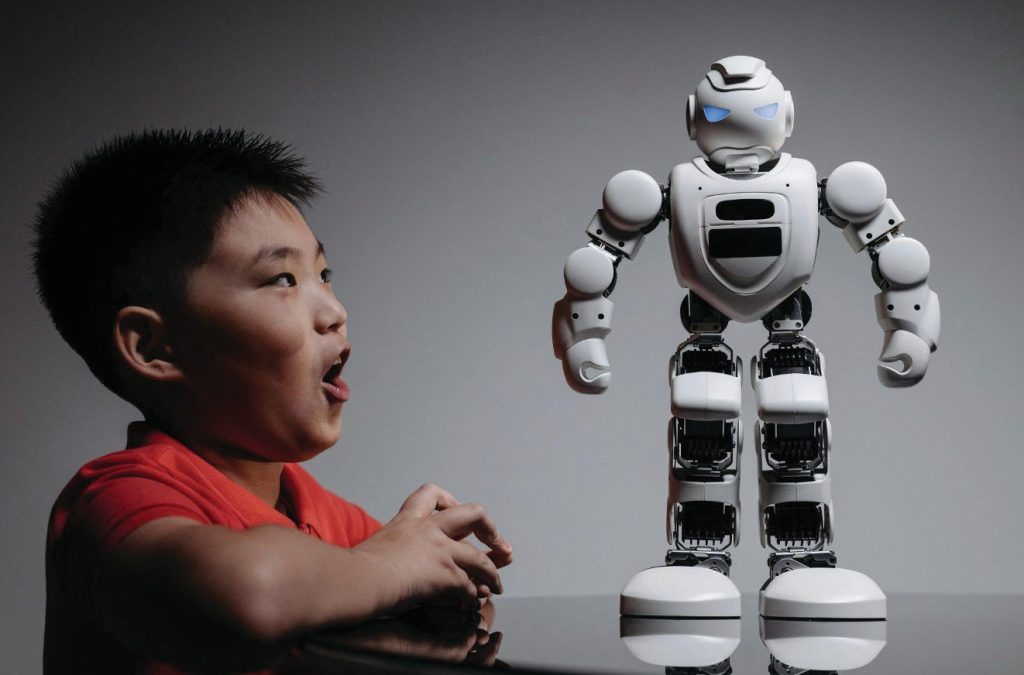
Artificial intelligence is reshaping the sales profession in profound ways, changing how salespeople prospect, prepare, communicate, and manage opportunities. Yet despite all of this transformation, the core principles of selling remain unchanged. Customers still value trust, expertise, responsiveness, and meaningful relationships. They still want to work with professionals who understand their challenges and can help them make confident decisions. AI does not replace these qualities, it enhances them. The future of selling belongs to the augmented sales professional: someone who combines human insight with the power of artificial intelligence.
The democratization of advanced sales skills is one of the most important results of transformation. In the past, years of expertise, in-depth study, and developed intuition were common ways for top-performing salesmen to set themselves apart. AI can now speed up that development curve by giving less experienced salespeople access to insights, patterns, and suggestions that used to take years to learn. This shortens the learning curve and improves the standard of performance for all teams, but it does not eliminate the requirement for expertise. Consequently, businesses may increase consistency while still enabling top performers to flourish due to their special human qualities.
Furthermore, enhanced sales professional works in an environment that is richer in data than it has ever been. It is possible to track and evaluate every encounter, including email openings and meeting involvement levels. But the real value is found in the interpretation and use of the data, not in the data itself. Salespeople who can convert data into action—changing strategy, improving targeting, or modifying messaging—will routinely beat those who only look at numbers. AI makes things visible, but the effect is decided by human judgment.
Another important dimension is adaptability. Markets, customer expectations, and competitive landscapes are constantly evolving. AI tools can help identify changes more quickly, but it is the salesperson who must pivot effectively in response. The augmented sales professional embraces continuous learning, not only in terms of technology but also in communication styles, industry knowledge, and customer engagement strategies. This mindset ensures that they remain relevant and effective even as the environment shifts.
A new degree of customization in the sales process is also brought about by the incorporation of AI. Consumers are coming to anticipate interactions that are tailored to their situation, requirements, and preferences. AI can analyze prior behavior and recommend customized strategies, but the implementation of customization necessitates authenticity. Technically correct but devoid of actual comprehension can make a message seem empty. By fusing genuine, human-centered communication with AI-driven insights that connect on a deeper level, the enhanced sales professional closes this gap.
Additionally, AI-powered solutions improve teamwork inside sales teams. As insights, effective messaging, and customer lessons can be automatically collected and shared, knowledge sharing becomes more effortless. Teams can function more cohesively because of the reduction of silos. In addition to gaining from these shared insights, the enhanced sales professional also adds to them, resulting in a cycle of ongoing development that benefits the entire company.
The concept of the augmented sales professional represents a shift in how success is defined in sales.
In the past, performance was often driven by effort and activity—more calls, more emails, more outreach. While effort still matters, AI now enables a smarter approach. Many of the repetitive and time-consuming tasks that once filled a salesperson’s day can now be automated or significantly streamlined. Research, data entry, follow-ups, and even parts of communication can be supported by AI tools. This allows sales professionals to spend less time managing tasks and more time engaging in meaningful, high-value work.
That shift is important because it elevates the role of the salesperson. Instead of acting primarily as an information provider or transaction manager, the augmented sales professional becomes a strategic partner to the customer. AI can provide insights about a prospect’s behavior, industry trends, and potential needs, but it is the salesperson who interprets that information and uses it to guide the conversation. The value no longer comes from access to information—it comes from the ability to apply that information effectively.
At the same time, the human aspect of marketing becomes increasingly important. AI can analyze data and detect trends, but it cannot comprehend human emotion, organizational dynamics, or the nuances of a complex purchasing decision. It cannot establish trust via true connection or respond in real time to the tone of a discussion. These are unusual human abilities. The enhanced sales professional uses AI to become more knowledgeable and efficient, but depends on empathy, communication, and judgment to make a genuine difference.
This combination provides a significant benefit.
A salesman who is both technologically competent and emotionally intelligent may provide a considerably superior customer experience than someone who focuses just on one of these skills. They may approach talking better prepared, ask more pertinent questions, and make more meaningful recommendations. They can also reply more swiftly and consistently, while maintaining quality.
In a competitive market, this balance may make a big difference.
The augmented model also affects how salespeople approach their regular tasks. Rather than perceiving AI as a distinct technology, they include it into their processes. For example, they may utilize AI to study an account prior to a meeting, develop outreach ideas, summarize important points following a call, and determine the next best move for a transaction. Each of these stages increases efficiency and, more crucially, effectiveness. The salesperson is not only working harder, but also more effectively.
It is also important to think about the long-term effects of this change on consumer expectations. Customers will start to anticipate quicker replies, more pertinent information, and more seamless interactions as more businesses implement AI-enhanced selling strategies. This creates a rising bar for performance across the industry. If salespeople don’t use these tools, they can not only lag behind rivals but also find it difficult to satisfy contemporary consumers’ basic needs. Those who completely adopt augmentation, on the other hand, will be in a better position to surpass expectations and produce exceptional client experiences.
Another emerging factor is the ethical use of AI in sales. Transparency, data privacy, and responsible use of customer information are becoming increasingly important. The augmented sales professional must not only use AI effectively but also use it responsibly. This includes being mindful of how data is collected, ensuring that communication remains honest and authentic, and avoiding over-reliance on automation in situations that require human sensitivity. Trust, once broken, is difficult to rebuild, making ethical considerations a critical component of long-term success.
Lastly, it is important to recognize that adopting augmentation requires a psychological adjustment. AI may initially be seen by some salespeople as a threat to their position or area of expertise. It is crucial to change this way of thinking. People who view AI as a partner rather than a rival are more inclined to try new things, pick up new skills, and eventually profit from its potential. Those who effectively adapt and those who oppose change are frequently distinguished by this change in viewpoint.
But it takes deliberate effort to become an enhanced sales professional. Having access to AI technologies alone is insufficient. Salespeople need to recognize their limits and learn how to use them successfully. They must understand when to trust insights produced by AI and when to challenge them. They must learn how to integrate context with data and transform knowledge into actionable insights. Both technical proficiency and critical thought are needed for this.
Additionally, while AI can provide valuable support, it cannot make the same judgement calls as a human. Humans must be the ones calling the shots. Sales professionals who depend too heavily on automated recommendations may lose the ability to think independently or adapt to unique situations. The most effective approach is to treat AI as an assistant, not a decision-maker. The augmented sales professional remains fully engaged, using technology to enhance their thinking rather than replace it.
Organizations are crucial in facilitating this change. In addition to making sure that their teams have access to the appropriate tools, sales leaders must also provide them with the instruction and direction they need to use them efficiently. They need to reaffirm that the purpose of AI is to enhance performance, not to reduce the value of salespeople. Organizations put themselves up for long-term success when they foster a culture that promotes both talent development and technology adoption.
The enhanced sales professional will eventually become the norm rather than the exception. The divide between people who successfully employ AI and those who do not will grow as technology develops. Adopting this change will make salespeople more strategic, productive, and valuable to their companies. They will be more equipped to handle complexity, provide more individualized experiences, and forge closer bonds with clients.
In the end, selling in the future won’t be about choosing between people and machines. The idea is to combine both of their talents. AI increases analytical capability, speed, and scalability. Humans are creative, trustworthy, and empathetic. When these skills are combined, the sales process becomes more efficient and dynamic.
This equilibrium is embodied by the enhanced sales professional. They are not replaced by technology—they are empowered by it. They continue to rely on the hu-man characteristics that make sales effective while using AI to perform more intelligently.
Those that adopt this strategy will be in a strong position to prosper in the changing market, while those who oppose it run the danger of falling behind.
Human versus machine sales is not the way of the future. Both humans and machines are collaborating.